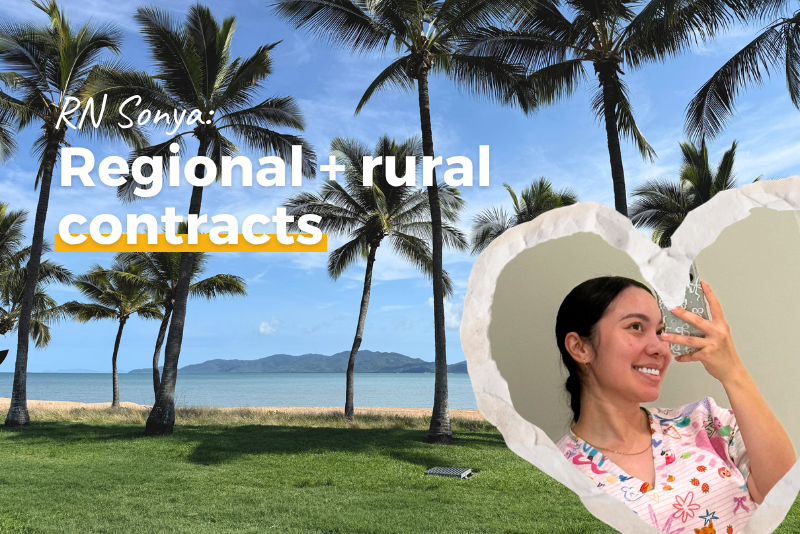
What is it like to work as a nurse in a regional or rural community? RN Sonya has worked across a range of regional, rural and metro facilities, including North Queensland. From clinical independence, to patients and stories that have stayed with her, Sonya’s experience reveals what can make smaller facilities feel so different – and why agency contracts can offer far more than just a change of location.
In a busy metro facility, a patient may enter your care briefly before disappearing into the momentum of the next procedure, admission or shift change. In a smaller community, the rhythm is different. Patients return, their stories unfold gradually and familiar faces become part of your roster.
For Sonya, this was one of the defining differences between working as an RN in Brisbane and across regional and rural facilities in North Queensland.
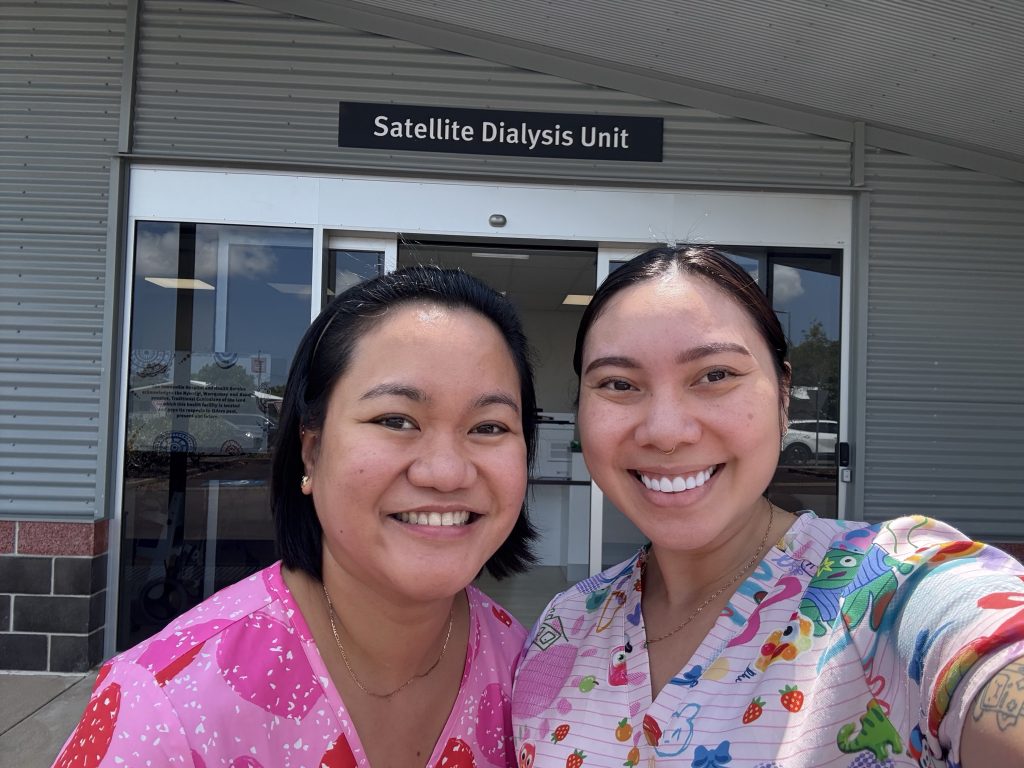
Before joining Affinity Nursing as a Recruitment Specialist, Sonya worked across several distinctly different clinical environments – from metro theatre to regional and rural renal dialysis. Each required a different kind of nursing.
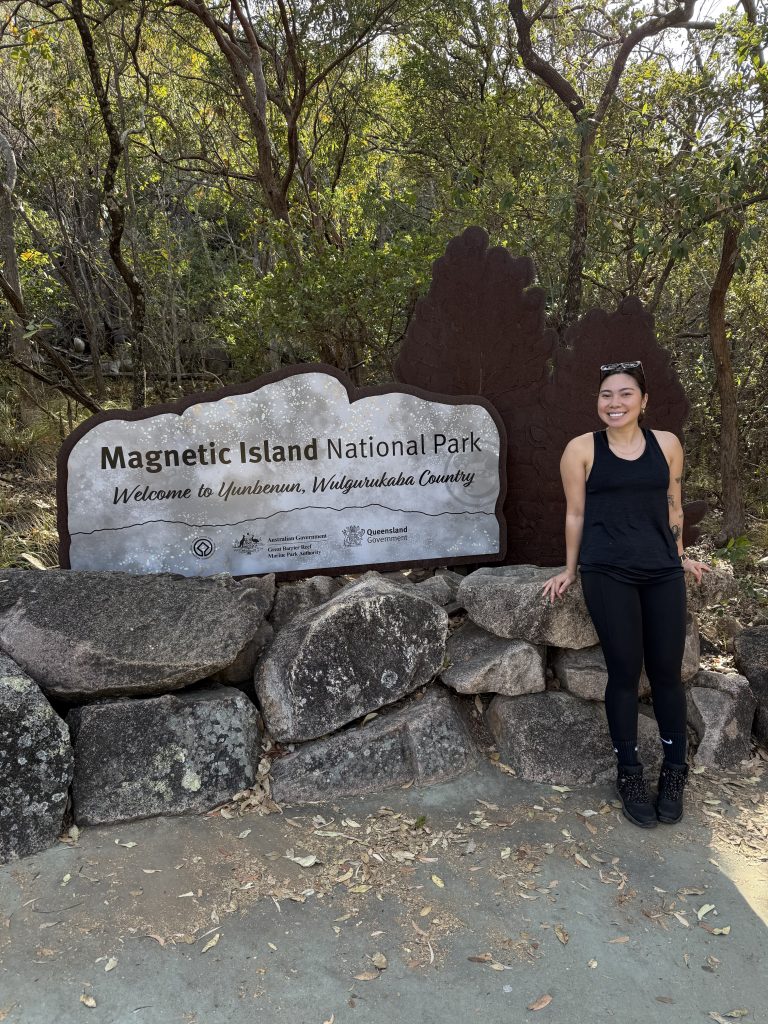
Yet it was her time in North Queensland – caring for charismatic locals, working closely with Indigenous communities, and exploring bucket list travel destinations like Magnetic Island on days off that revealed how personal, varied and rewarding this career can be.

What is it like working in smaller facilities?
Facilities like the regional and rural renal dialysis environments where Sonya was placed can be more independent, close-knit and hands-on, requiring nurses to rely heavily on their clinical judgement and each other.
‘It was a completely different type of nursing,’ Sonya says. ‘There could be two nurses looking after four patients, with no doctor or other assistance on the floor. You relied on each other and there was a lot more diversity in the role.’
When patients become familiar faces
In smaller facilities or MPS (Multi-Purpose Service), your direct work can feel more impactful. There is a kind of continuity of care that allows you to develop relationships and learn more than just a patient’s file.
‘Metro facilities can feel very go-go-go,’ Sonya says. ‘Working regionally gave me the chance to slow down, get to know my patients and experience nursing from a different perspective.’
‘Up north, I often had the opportunity to care for the same patients, which was really touching,’ Sonya says. ‘They remember you, you know what is happening in each other’s lives, so it makes each shift feel really personal.’
‘I can still picture some of my favourite patients quite vividly. I had the privilege of caring for a woman in her eighties who had limited vision. She would tell me stories about her childhood, her time on Palm Island, and even the time she met Princess Alexandra,’ Sonya says. ‘Connection and stories like these can be very hard to find in some settings, so I really treasured that.’
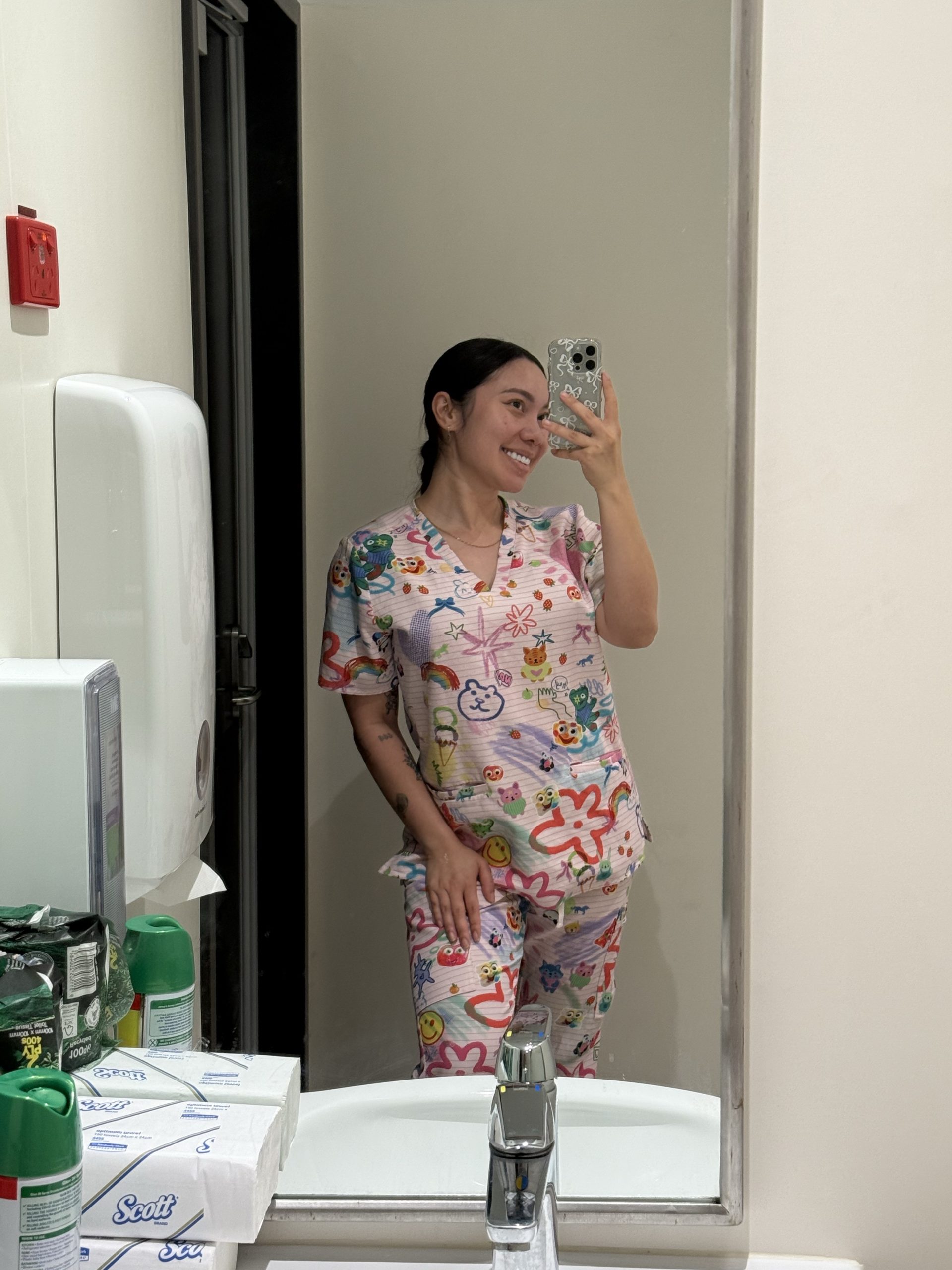
What are the benefits of regional and rural nursing?
If you’re new to nursing, you may first experience regional or rural healthcare through a university placement, graduate program or early-career role, such as an EN. Others discover it later through agency nursing or travel nursing contracts after spending years in metro facilities.
For Sonya and her partner who were both working in a metro facility, they were seeking a change of pace and lifestyle, along with exposure to different communities and nursing environments.
Working in smaller facilities outside a major city can offer:
- Greater clinical independence
- Continuity with patients returning for regular treatment
- Greater adaptability when resources or staffing is limited
- Exposure to different facility structures and models of care
- Opportunities to broaden skills and professional confidence
- Closer relationships with patients, staff and the wider community

Metro, regional, rural and remote nursing explained
The pace and environment can differ depending on the where you are working in Australia. Here is a quick breakdown of what each nursing setting can look like:
- Metro nursing often has larger multidisciplinary teams, access to specialist services, and higher patient volumes. Nurses typically work within specialised clinical areas and have multiple levels of support readily available. The faster pace keeps things moving quickly, and multi-tasking is a quickly developed skill in metro environments.
- Regional nursing has smaller teams with, at times, more generalised surgical and medical wards. As regional towns are smaller, you’ll build relationships with the community quickly, recognising names and faces of your regular patients. Clinical confidence matters, and you need to be assured in your critical thinking skills, knowing you won’t have a full pool of resources around you. You will rely on your fellow colleagues more, and learn to trust those around you.
- Rural nursing has smaller facilities again, smaller teams, and some facilities may require you to be the only RN on shift. Presentations are more varied and you need to be confident in your clinical skills and comfortable making decisions with limited support. You’ll experience cases that you might never see in a metropolitan facility and really discover what rural Australia is about. Your Specialist will walk you through what each facility looks like before you accept a contract.
- Remote nursing requires a greater level of autonomy, adaptability and confidence. A broader scope of practice, higher clinical independence and a level of responsibility that requires preparation. In these facilities – you’re it, and this is where you will truly step in to your clinical mastermind. Additional qualifications or experience may be required – Affinity’s Clinical Education program is designed specifically for this.
Culture at the heart of community care
Healthcare can be closely connected to the culture, history and lived experiences of the people receiving it. Respect, self-awareness and a willingness to listen are fundamental, along with culturally safe effective care.
North Queensland is home to distinct Aboriginal and Torres Strait Islander cultures, including the Wulgurukaba, Bindal, Nywaigi, Warrgamay and Bandjin peoples. Working with Indigenous patients from these communities gave Sonya the opportunity to gain a deeper appreciation of the histories and lived experiences shaping each person’s care.

What is the agency lifestyle like?
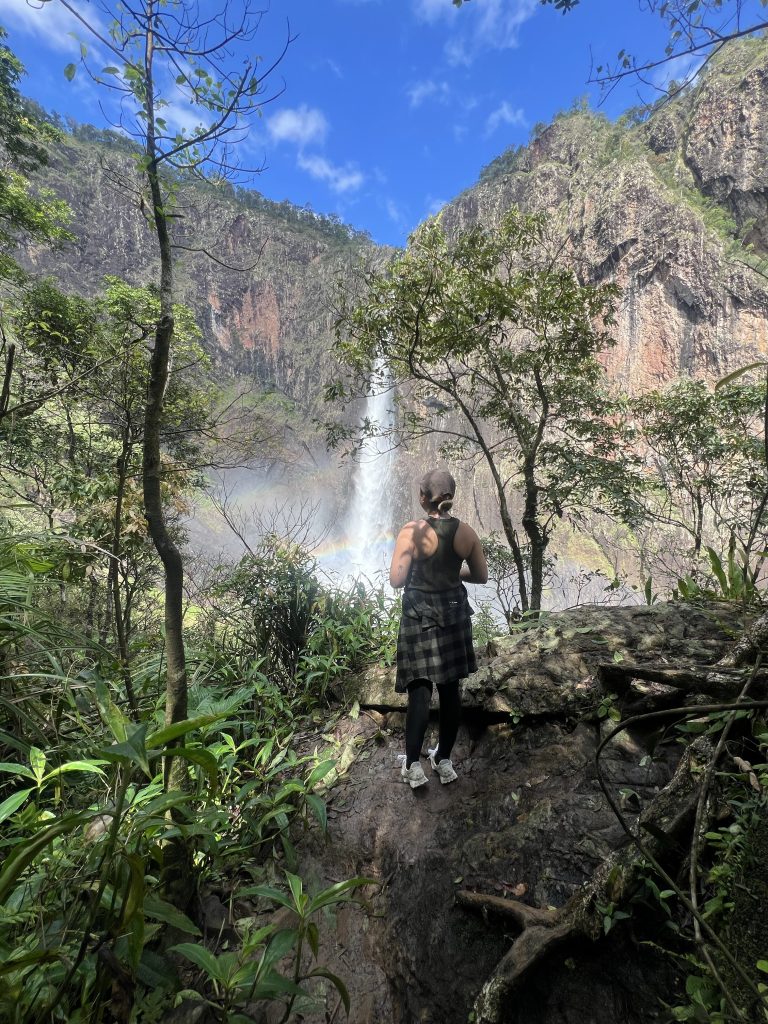
The lifestyle outside of your agency contract can be just as significant. While living in North Queensland, Sonya could spend her days off hiking, heading to the beach and visiting local tourist spots.
‘It was great. You still had plenty around you, like a good gym and Pilates, minus the constant constant rush and busyness that you can feel in Brisbane,’ Sonya says. ‘I had places like Cairns and Magnetic Island nearby, and there were so many good waterfalls. I’d recommend checking out Barron Falls, Jourama Falls, Wallaman Falls and Attie Creek.’
Places reserved for an annual holiday can instead become part of everyday life. Then, around town, you may bump into patients and colleagues. People can feel more approachable, local personalities become familiar.
For travel nurses and midwives, that balance can be one of the greatest benefits of a regional contract – meaningful clinical work and the opportunity to discover more of Australia.
Advice for nurses new to travel contracts
Looking for advice on starting with agency work? Sonya’s advice is simple: keep an open mind and allow room for the unexpected.
‘Be open and willing to try things out,’ Sonya says. ‘You can never fully plan for what you don’t know, so the more flexible you are, the easier it is to go with the flow and make the most of the experience!’
She also encourages nurses to look beyond the facility itself and be ready to see the wider impact of their work.
‘You get to know the community as a whole and see how your work affects the people around you,’ Sonya says. ‘That connection can really make the experience feel quite meaningful and become one of the most rewarding parts of your contract.’
Real nursing experience, real contract support
Sonya draws on her experiences as an RN in her role as an Affinity Specialist at Affinity Nursing.
She understands that choosing a travel nursing contract is rarely only about the location or shift pattern. Often, it is more about connection, the pace, clinical environment, and having more opportunities to upskill.
Having worked across rural renal dialysis, regional healthcare and metro theatre nursing, Sonya knows how significantly one environment can differ from another – and how the right opportunity can shape your clinical confidence, perspective and career direction.
Ready to for a fresh start in nursing?
Working in regional, rural and remote facilities can offer flexibility, career progression, and broaden your clinical experience. It also provides opportunities to explore more of Australia and to contribute to communities where your presence feels like it is making a direct impact.
Travel nursing in Australia can offer:
- More lifestyle flexibility
- Opportunities to work in stunning locations across Australian
- Exposure to diverse clinical environments
- Higher earning potential through agency contracts
- Consistent work with back-to-back contracts
With 24/7 support, access to consistent contracts, and one-of-a-kind opportunities in every state and territory of Australia, travel nursing with Affinity makes it possible to build a sustainable and rewarding career.
Join Affinity Nursing to discover what nursing and midwifery contracts are available, to see where your next role could take you.
You might also like: