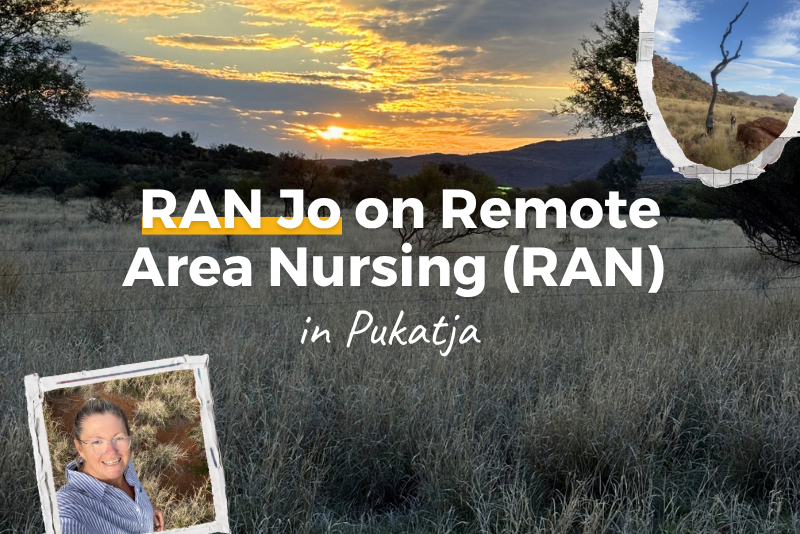
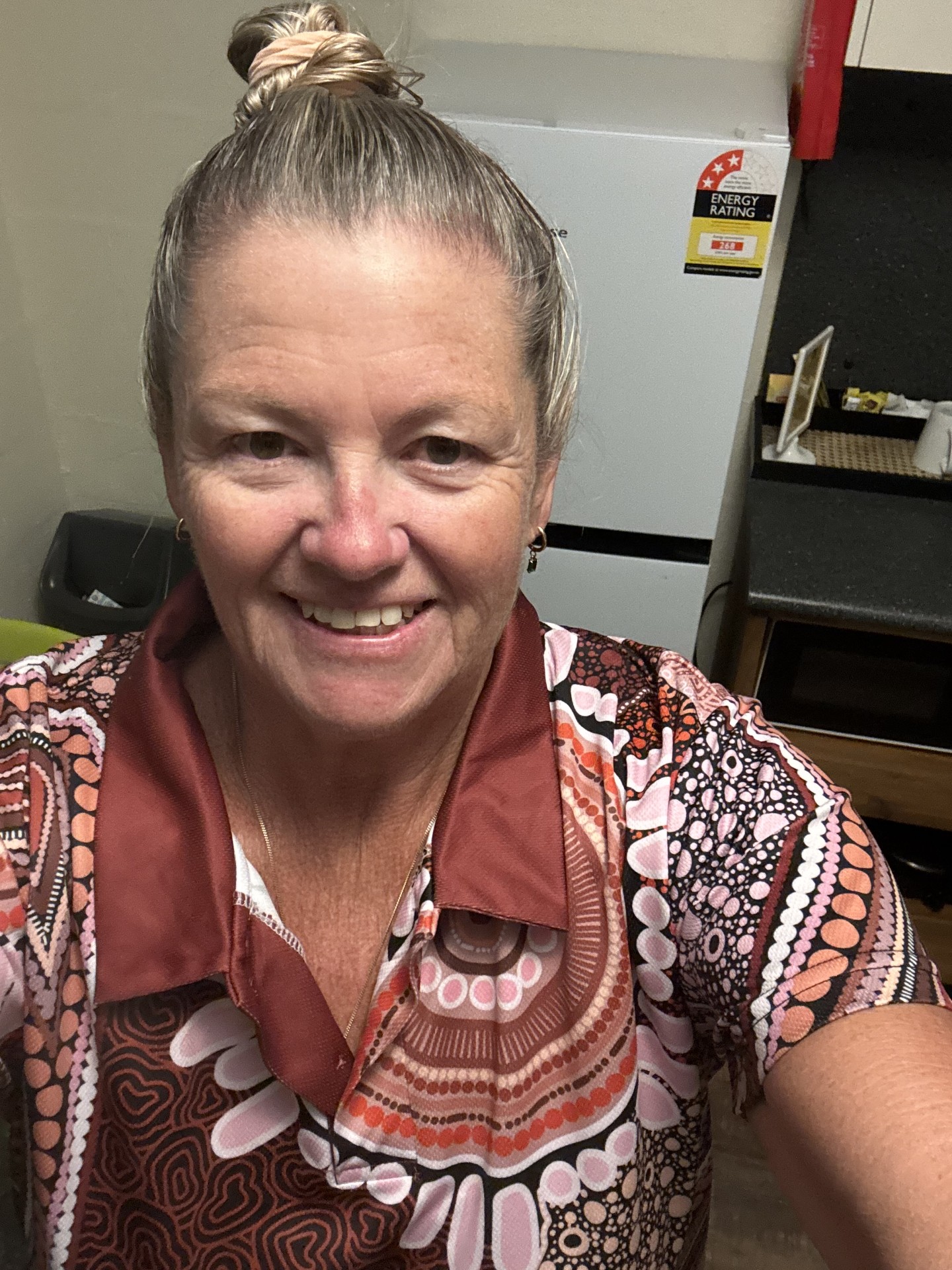
Driven by family, community and a desire to spend her time doing work that feels meaningful, RAN Jo found her way to Remote Area Nursing (RAN). After an amazing 43 years in nursing, she wanted a way to keep doing the job she loved while making more space for family, travel and life outside of work.
Remote Area Nursing (RAN) gave her that balance, along with the chance to return to hands-on care and build genuine connections with the communities she works in. Three contracts later, Pukatja is a place she keeps choosing to come back to.
A time for change
RAN Jo has spent 43 years in nursing, including many years in management roles. But after 16 years in the same position, she knew she was ready for something different.
“I was getting pretty bored in the position I had for 16 years and knew I needed a new challenge.”
She still loved nursing, but she wanted work to fit differently into her life – leaving more room for family, travel and the things that mattered to her outside of a job.
Losing her husband just over three years ago also shaped the way Jo thought about her time. With a close family, a love of travel and plenty she still wanted to experience, flexibility became increasingly important.
“I have never been motivated by money, only motivated by what I like to do within nursing.”
That is what keeps bringing her back to travel contracts. Working with Affinity gives her the flexibility to choose contracts that fit with the way she wants to live.
“I love the flexibility and supportive staff when I need them.”
Family first, always
For RAN Jo, much of that flexibility comes back to family.
“My passion is my family. We are very close and I try to spend as much time with them as I can, it’s one of the main reasons I do this type of work.”
A mother of three and grandmother to five, with another grandchild on the way, Jo has built a way of working that allows her to stay close to the people who matter most.
That search for something different eventually led her towards remote nursing.
Finding a different way to nurse
Remote nursing had interested RAN Jo for years, but her move into Remote Area Nursing (RAN) didn’t happen all at once.
Around four and a half years ago, she took her first step into remote practice on Palm Island as a Nurse Unit Manager. From there, she progressed into increasingly remote and independent roles across the Torres Strait, working as a Clinical Nurse, Clinical Nurse Consultant and NUM.
Each role helped prepare her for the realities of Remote Area Nursing. Working in smaller teams and more isolated settings meant building confidence in clinical decision-making, becoming comfortable with greater autonomy, and learning how to work effectively when resources and immediate support were limited.
By the time RAN Jo began considering Remote Area Nursing (RAN), she had already spent years developing the skills and independence the role demands.
But there was another reason she wanted to make the move.
“I wanted to move even more remote and get back to doing what I like best, and that is clinical hands-on.”
After years in management, RAN Jo was ready to step back into direct patient care. Remote Area Nursing (RAN) offered the opportunity to use everything she had learned while returning to the part of nursing she RAN Joyed most.
Why Remote Area Nursing (RAN) felt like the right fit
“Remote Area Nursing (RAN) allows me to do that and also build relationships with the community I work in.”
That opportunity to learn from the communities she works with also carries a very personal meaning.
“I have two Indigenous grandsons, and I want to learn as much as I can about their heritage.”
Remote Area Nursing (RAN) has given RAN Jo another way to deepen that understanding – leaRANing more about First Nations cultures, communities and heritage through the people and places she encounters on contract.
And true to her background in education, she hopes to take that knowledge home with her and share it with those around her.
It’s a mindset RAN Jo sums up simply,
“Once an educator… always an educator.”
The reality of becoming a Remote Area Nursing (RAN)
For RAN Jo, stepping into Remote Area Nursing (RAN) meant learning to trust herself in a whole new way. One of the biggest adjustments was realising just how much depended on her own clinical judgement.
“What surprised me most was the amount of responsibility that is involved in the care of community members and your scope of practice.”
That level of independence took time to get used to. Without the same layers of support she had known in larger hospital settings, RAN Jo found herself making decisions with far more autonomy.
“It has taken me a few contracts to feel comfortable with making some of the clinical decisions I have.
I thank God that I have had a background of ED and ICU and that I am confident with my assessment skills and ability to critically think things through.”
It didn’t mean arriving fully confident from day one, but about learning to back her judgement, one contract and one decision at a time.
Why RAN Jo keeps returning to Pukatja
Three contracts in, RAN Jo keeps choosing Pukatja.
“I’m a bit of a homebody and like to work in the same area.”
In remote communities, like Pukatja that consistency can matter. Relationships and trust are an important part of culturally safe care, and high turnover can make it harder for health workers to build those connections over time.
“I believe it is important for the community to get to know me and then they can trust me.”
In places like Pukatja, where healthcare is closely tied to community relationships and continuity, that kind of consistency can make a real difference.
“The staff here are fantastic and very supportive. I feel pretty comfortable working in this community. I am learning so much every time I do a contract at Pukatja.”
Life in Pukatja
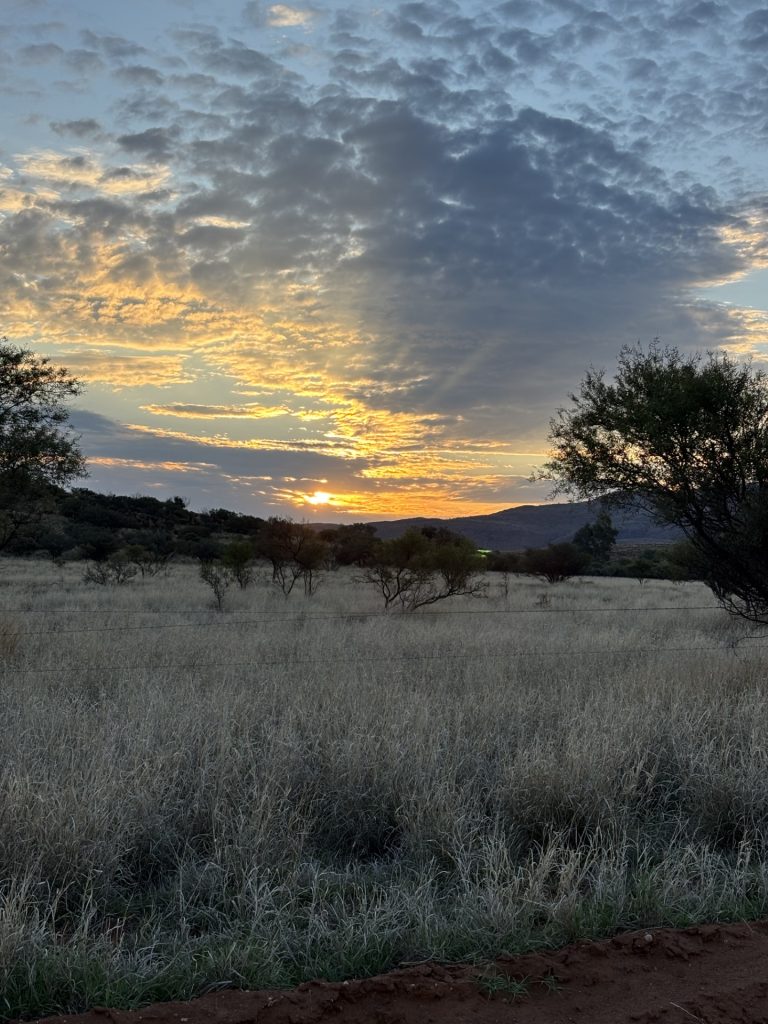
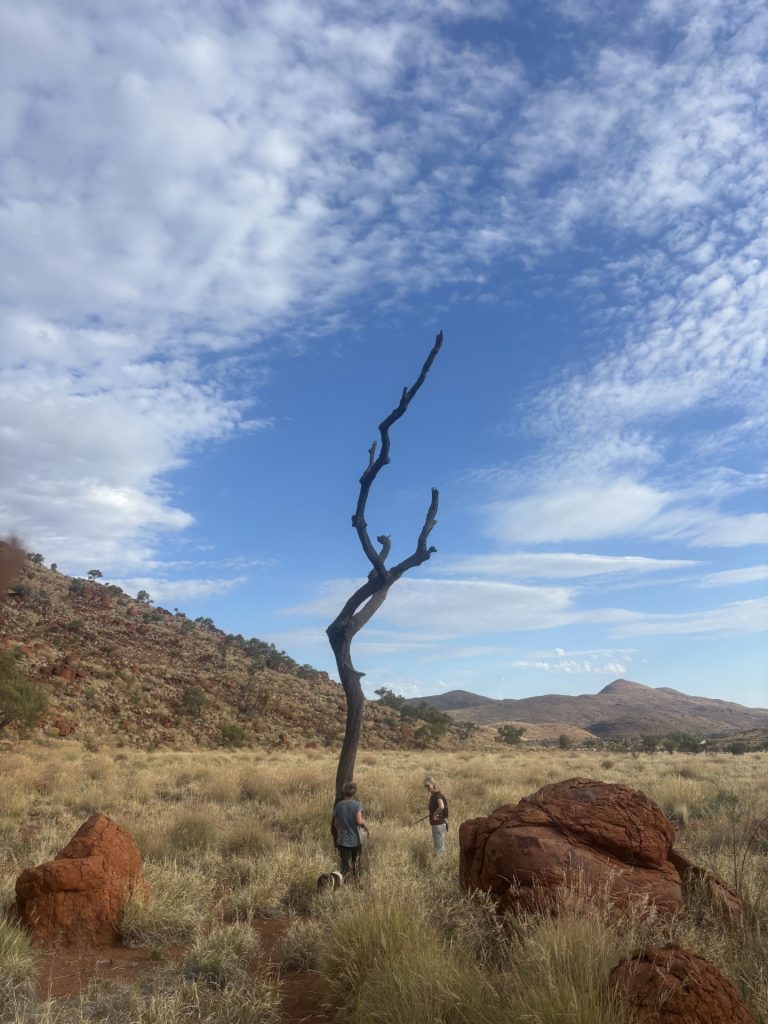
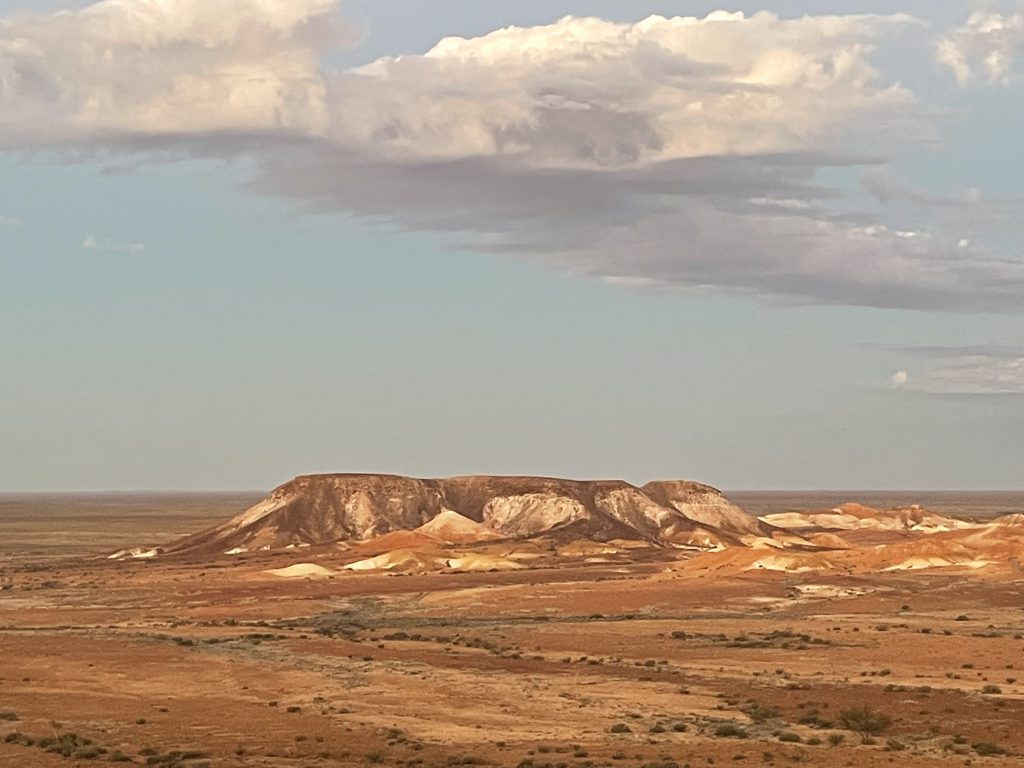
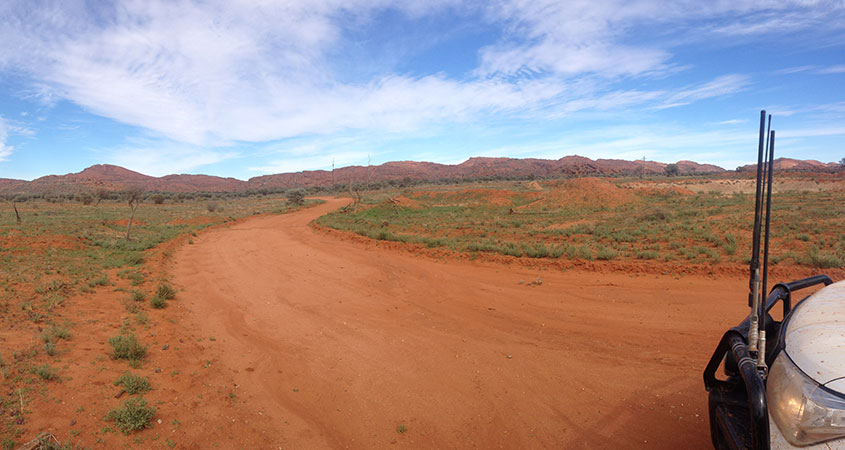
It’s not just the work that’s different in Remote Area Nursing (RAN). Life outside of work can look very different on a remote contract compared with a rural or regional one. In larger regional or remote towns, days off might mean cafés, shops, day trips, and more familiar amenities. In a remote community like Pukatja, things are quieter, and much of the experience comes from settling into the place around you.
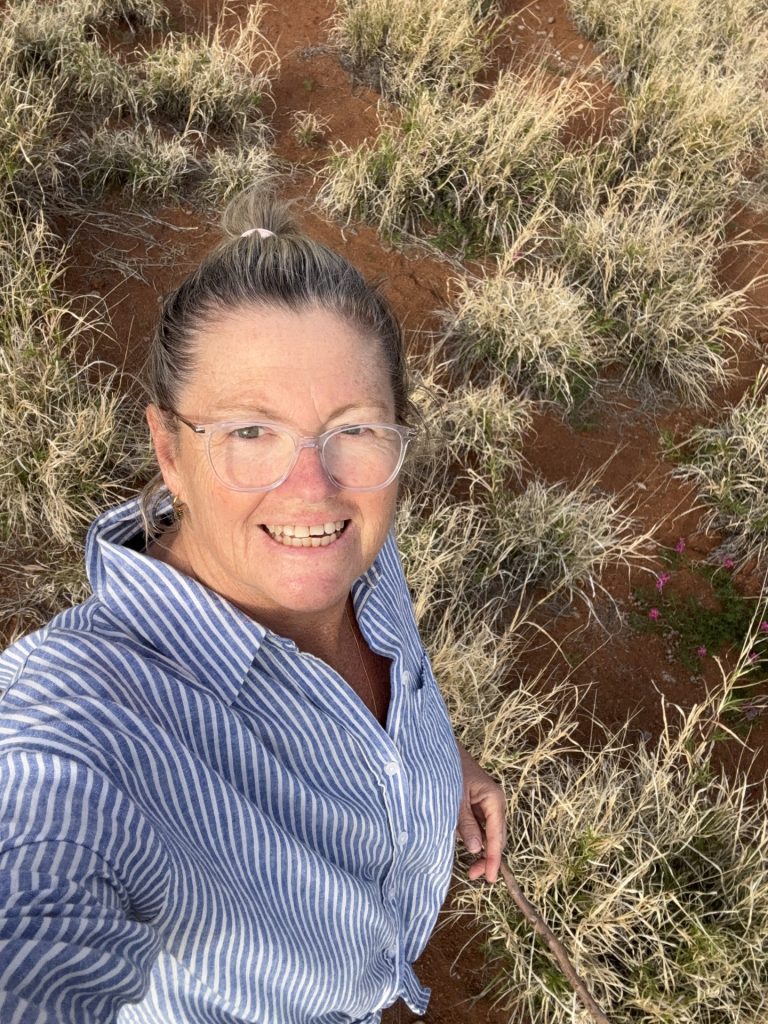
That suits RAN Jo. Who describes herself as “a triathlete – well, I try to be a triathlete” and has also been a surf lifesaver for 38 years, so staying active has always been a big part of her life.
“Pukatja for the most part is a lovely and safe community. I can go out and walk and run.”
For RAN Jo, days off are less about filling an itinerary and more about getting outside, keeping active and enjoying the slower rhythm of life around the community.
It is a different experience to regional nursing, but one that has become part of what she enjoy Joys about returning to Pukatja.

Still learning, still travelling
For now, RAN Jo’s plans are pretty simple.
“I just want to try and keep coming back out here for as long as I can. To keep learning about these incredible people and help those who want to be helped to a better, healthy life.”
There is also another adventure on the horizon, with a trip to Africa next year!
“I am saving for a holiday to Africa next year – so I guess that’s also part of my motivation for coming out here to work.”
Considering RAN work too?
Remote Area Nursing (RAN) has given Remote Area Nursing Jo the chance to return to the kind of nursing she enjoys the most, while still making space for family, travel and life outside of work.
Through Affinity, she has found the flexibility to choose when and where she works, and in Pukatja, a community she has continued to learn from and return to.
Join us today to find out where your own agency nursing journey could take you.
FAQs:
Remote Area Nursing (RAN) involves providing healthcare in remote and often isolated communities across Australia. RANs work with a high level of clinical autonomy and may care for patients across emergency presentations, chronic disease management, primary healthcare and other areas of community care.
Because access to larger hospitals and specialist services can be limited, Remote Area Nurses require emergency department experience, strong assessment skills, clinical judgement and confidence working independently.
There is no single pathway into Remote Area Nursing. Most nurses build towards RAN work by developing strong clinical experience and gradually moving into rural, regional, and increasingly remote environments.
Experience in areas such as Emergency, ICU, acute care and rural nursing can help build the assessment, decision-making and generalist skills needed in remote practice. Read this article on 7 best practice courses you will need as a Remote Area Nurse (RAN).
Affinity Nursing also supports nurses looking to progress into rural and remote work through Affinity Clinical Education, a $500 annual clinical education bonus* to put towards eligible external training, and a dedicated RAN Placement Specialist to support you before, during and after every contract.
No, Affinity Nursing works with nurses at different stages of their rural and remote nursing (RAN) Journey.
Nurses without previous remote experience may be able to start with suitable rural or regional contracts and gradually build towards more independent remote roles.
Join us and one of our team can help guide you on the right pathway.
Regional and rural nursing can involve working in smaller hospitals and health services outside main Jor metropolitan areas, while Remote Area Nursing generally involves working in more isolated communities where access to larger health services may be limited.
As locations become more remote, nurses may work with greater autonomy, smaller clinical teams, and broader scopes of practice. Building experience progressively across rural and remote settings can help nurses prepare for that additional responsibility.
You might also like: