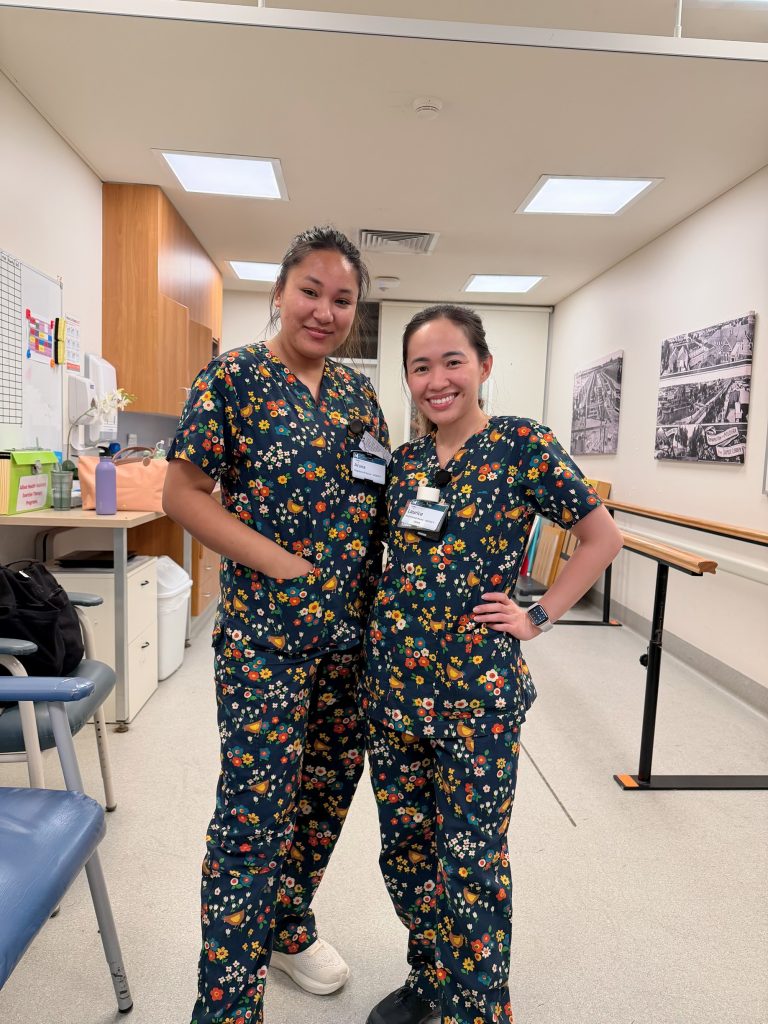


How do you build a sustainable career in midwifery? Midwifery Educator, Fran, shares practical advice on clinical judgement, burnout, emotional resilience, continuity of care, lifelong learning and supporting women, babies and families with confidence.
Midwifery is such a rewarding career, filled with many highs, lows and everything in between. Midwifery can be as demanding as it is rewarding, and the lessons that help you stay safe, skilled and connected are often the ones you learn over time.
I have worked as a midwife since 2009, and in that time, I have been fortunate enough to encounter some knowledgeable and empathic midwives who were incredibly inspiring.
Fast forward many years, and I am now a midwifery educator, who still prides herself on being connected to clinical practice. Having worked in rural and tertiary settings across Australia, the UK and Ireland, my experience has broad clinical context. I have also become an accredited IBCLC Lactation Consultant and attained a postgraduate qualification as a prescribing midwife (endorsed).
So, what does it take to build a long-term career in midwifery? And how can midwives continue to grow their clinical judgement and avoid burnout?
Read on for some practical thoughts and observations I wish I had received working as a midwife in Australia sooner.

Emerald, where Fran worked on contract with Affinity as a midwife.
Why relationships matter in Midwifery
Connection is vital in midwifery. In this profession, your relationship with a woman and her family is as integral to positive health outcomes as your clinical expertise – the ability to build trust, and offer reassurance and confidence during such a pivotal point in time is paramount.
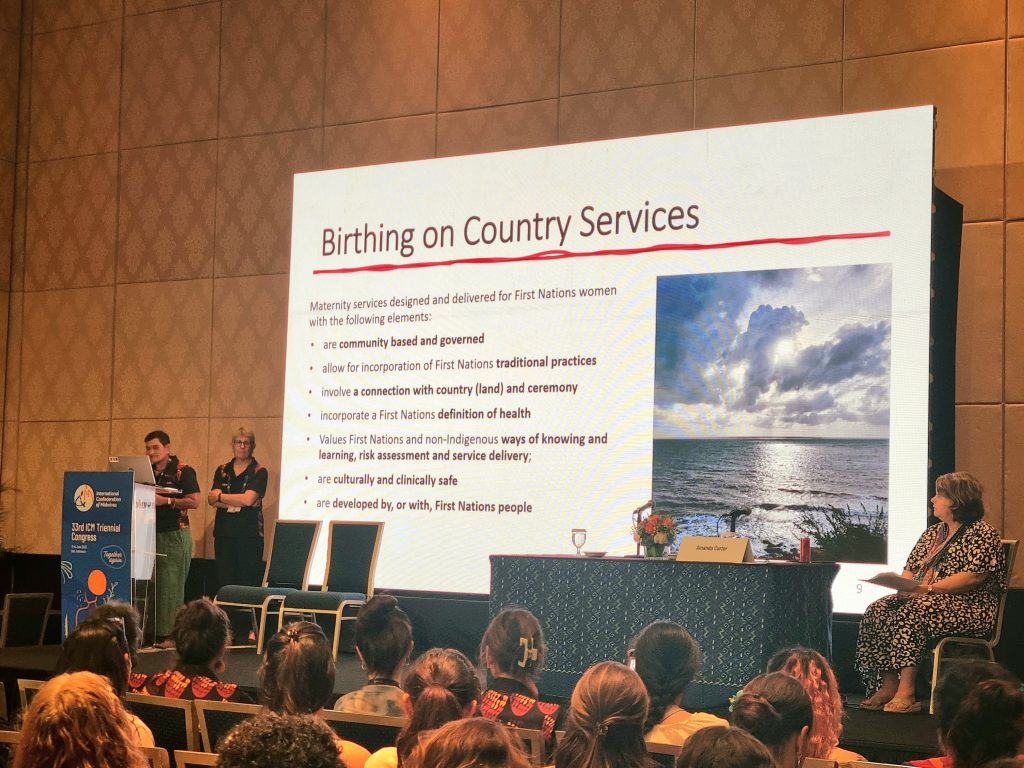
Research supports the continuity of midwifery care model. It demonstrates that knowing and trusting one midwife (or a small group of known midwives) reduces pre-term birth, supports breastfeeding and reduces induction of labour and caesarean section rates. Continuity of midwifery care has also been shown to improve outcomes for Aboriginal and Torres Strait Islander peoples, who are disproportionately likely to experience poor outcomes.
Clinical judgement that comes with experience
Working in the midwifery profession for years teaches you that good care is not only about clinical skills. It is also knowing when to wait, when to act, when to investigate and how to remain calm while doing it. The term ‘watchful waiting’ is a phrase I apply in midwifery practice all the time.
Being on top of your game clinically requires continuous learning and keeping up with the current evidence. There is no room for complacency. Being vigilant without creating anxiety requires conscious observance and a calm presence.
My advice: follow your gut. If something does not seem right, investigate and act where needed.
“Knowing the difference between fear of the unknown and gut feeling is not a learned clinical skill, but something that comes with experience.”
In time, it will mean you do not create a problem where there is not one, and that you will act when there is. This kind of judgement is developed through practice, reflection, education and the support of other clinicians. I would encourage midwives to talk to your peers, to learn from each other, and to pursue formal and informal education.


Photos from Midwifery Educator Fran’s travels in Australia
A birth that has stayed with me forever
At the first birth I ever attended as a fully qualified midwife, the baby was born with an undiagnosed condition that would change the projection of the family’s life forever. It showed me the unpredictability of birth, and the parents themselves taught me so much.
Empathy is everything in midwifery, particularly when things take an unexpected turn. You cannot always prevent or change outcomes, but you can show compassion and provide lasting positive impact even in the darkest times.
Midwifery holds both realities: the unexpected and the joyful, the difficult and the deeply rewarding.
What families can teach us about life
Over the years, the women and families I have cared for have opened my eyes to the unique and diverse ways people choose to live. There is no ‘one size fits all’, we are all individuals who somehow find our way through this sometimes-crazy life. I have matured while learning from women and their families across a long timeframe, and I pride myself on providing evidence-based care without judgement.
Having said that, I am not perfect and nor is anyone else. We are all doing our best. That is something midwifery teaches you again and again: people need safe, evidence-based, compassionate care. But at a basic level, they also need to feel respected as individuals. Remember this, if you are relatively new or have been feeling a little deflated.

Being wary of the emotional load Midwives quietly carry
Mental health in midwifery is such an important issue. It’s important to pay attention to the emotional load you may be carrying.
In the busy ward environment, resilience is key. Midwives meet women and their families at such a crucial time, charged with emotion. Sometimes it is hard not to hold onto this. The healthcare structure means midwives working in the hospital environment must adjust to each individual woman and their family, switching care frequently from one person to another.
Caring for people can take a toll on your mental health, and sometimes it can be overwhelming. However, on the outside, the women and families being cared for by midwives would be completely unaware that the midwife carries an emotional toll.
“Midwives often talk about the ‘swan effect’ – appearing serene at surface level while those little legs are working overtime to keep afloat. This really resonates with me. It captures something many clinicians understand, even if they do not always say it aloud.”
Advice newer Midwives need to hear
If you are new to midwifery, this is something you may not hear enough: you are doing a great job, and you will always be learning.
Lifelong learning is also integral to the success of a midwife. To provide expert clinical care, you should reach for evidence-based information continually. This includes further education in areas you may not have considered, such as:
- Infant feeding
- Infection control
- Sociology
- Ultrasonography
- Hypertensive disorders
- Diabetes
Please, never stop learning. It will increase personal fulfilment and support good outcomes for the women and families you care for.
What should I do if I’m exhausted or burnt out?
If you’re feeling overwhelmed as a midwife, it should not be ignored. Burnout in midwifery is real, and it is important to recognise when the work is starting to feel too heavy.
So, what should you do? Carve time out for yourself. What makes you feel good? Is it rock climbing, meditation or macramé? Do an activity that can take you out of your midwife brain. People often say that being a midwife defines them, that without it they would not know who they are. Well, I say, make it your mission to find out who you are outside of your role.
Additionally, the more armed you are with current evidence, the better you will feel prepared for what is coming next. Do that midwifery course, attend that workshop. Go to that conference. Meet with like-minded people to boost your sense of togetherness and shared professional mission.

Hidden qualities that are the most valuable in Midwifery
Some of the most important parts of midwifery are quiet, often unseen. They may not be visible from the outside, but they matter deeply to the women and families.
Soft words of encouragement in the middle of the night. Reassurance for new mothers as they dig deep and learn to embrace their new life as a mother. Guidance on how to recognise what a new baby needs: close comfort, skin-to-skin cuddles, time to learn to breastfeed, and ways to support hormonal release for bonding and nurturing.
Care and support for new mothers is so important for society. We must recognise that a baby is not just born to a mother, but a mother is born that day too. These things take time and persistence. With good support, the lifelong physical, emotional and societal benefits are underestimated, but so worth the hard work.
The importance of ongoing education in Midwifery
Midwifery is an ever-evolving profession, and continued education supports midwives to practise safely, confidently and within their full scope. The Affinity Clinical Education team collate and create up-to-date clinical education in a format that supports clinicians to learn at their own pace and provide evidence of their continual professional development. By completing relevant courses, midwives can support their career advancement and create opportunities to work rural and remotely.
All courses meet the requirements of the NMBA and, where applicable, are endorsed by the Australian College of Midwives. Respect is given to culture and the self-determination of those being cared for, while meeting the learning needs of the individual midwife.
For me, education is not separate from care. It is part of how midwives remain engaged, evidence-based and prepared for the realities of practice. When we continue to learn, we not only better outcomes for women, babies and families, but strengthen our own sense of purpose and professional connection along the way.
Click here to explore Affinity Clinical Education’s Midwifery courses and continue building your practice with confidence.
New to travel contracts? Join Affinity here.
You might also like: