5min read
After 35 years in nursing, RN Lisa has worked almost everywhere imaginable – from camp nursing in the USA and home nursing in London to leadership roles in Australian Emergency Departments and medical research. But there was one path she had always wanted to explore…
“I’ve always wanted to try remote and regional work, and now my kids are grown up, I am able to follow that dream.”
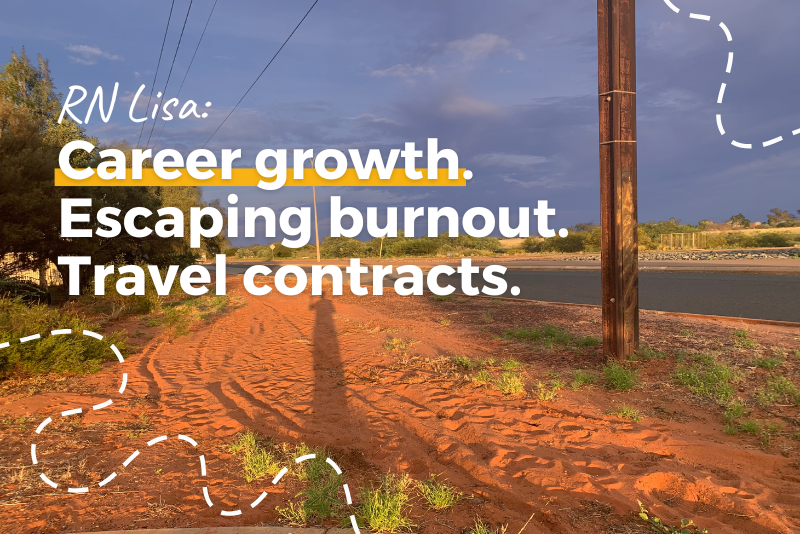
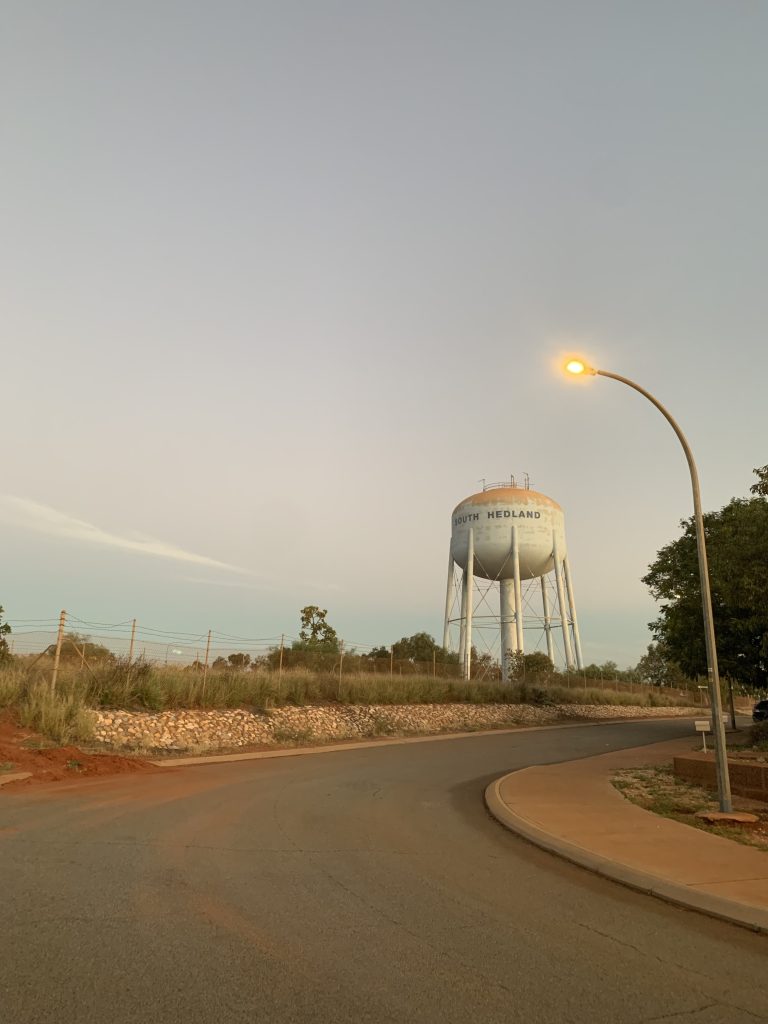
That decision eventually led her to Port Hedland in Western Australia’s Pilbara region, where red dirt landscapes, close-knit hospital teams, and the unpredictability of regional Emergency Department nursing reminded her why she fell in love with healthcare in the first place.
For many nurses considering travel nursing contracts in Australia, Lisa’s experience highlights something increasingly important in modern healthcare – sometimes career growth is not about climbing higher, but about finding your way back to meaningful work.
A Career Built Across Multiple Continents, Wards and Decades
Lisa’s nursing journey spans more than three incredible decades, but it has never followed a straight line.
“I’ve been nursing for 35 years, and I worked odd jobs, including camp nursing in the USA, home nursing in London, and many different wards, before finding my love was Emergency Medicine. I worked in ED for 16 years, including as a CNS and ANUM, before moving into medical research.”
Like many experienced nurses, Lisa’s career evolved alongside family life, changing priorities, and shifting professional goals. Once her children were grown up, she finally felt able to pursue remote nursing opportunities she had always been curious about.
“Remote and rural work is something I have always wanted to do, and seeing different parts of Australia is a bonus. Affinity supported me to try this, they took care of all the logistics, making the transition from my old job as easy as possible.”
What RN Lisa Learned from Nursing Burnout
Lisa speaks openly about something many healthcare workers quietly experience: burnout.
“My philosophy of care is that I treat people how I would like my loved ones to be treated, with compassion and genuine interest. I have burnt out in the past and lost my compassion and working without it is no fun, but you can get it back. Now I have learnt how to balance the caring with all the other demands of the job, my work is meaningful again.”
Her reflections will feel familiar to many nurses navigating increasing workloads, emotional fatigue, and the pressure of constantly “moving up” professionally.
“I got into a pattern of doing what I thought I should be doing: moving up the career ladder, ticking boxes, dealing with the same things every day, feeling like we were getting nowhere.”
“We used to call it, ‘Shuffling deck chairs on the Titanic’.”
Rather than leaving nursing behind completely, Lisa found that stepping away from Emergency Department nursing for a period helped her reconnect with the reasons she originally loved the specialty.
“But the great thing about nursing is that there are so many different types of work you can do. Taking time away from ED helped me to remember what it was that I actually enjoyed about ED nursing and what I was good at.”
Her perspective now is grounded in balance, self-awareness, and understanding the realities of modern healthcare systems.
“Within our health systems, it is also important to understand your limits (and the limits of the system). The things we do make a difference, even when we cannot ‘fix’ everyone. Finding what makes you feel good at the end of a shift, is crucial for a meaningful work life.”
Finding Community in Regional and Remote Nursing
Regional nursing brought a completely different pace and atmosphere compared to the large metropolitan hospitals Lisa had experienced.
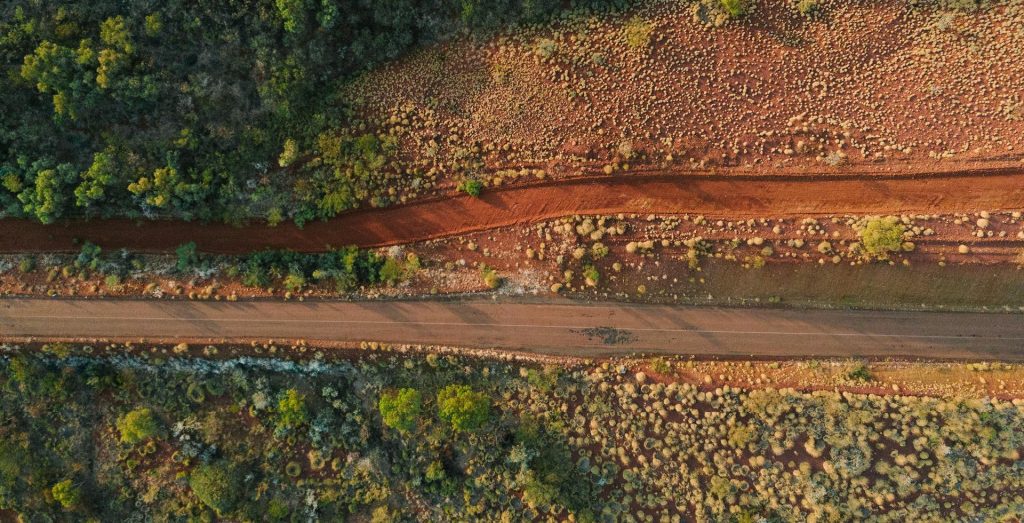
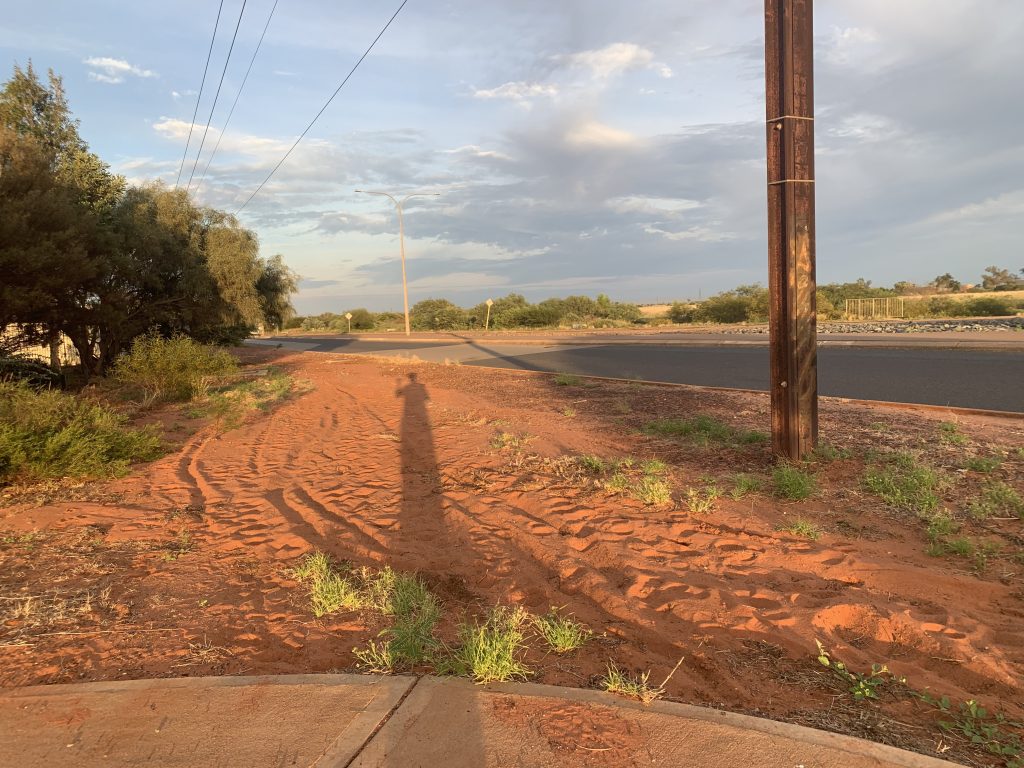
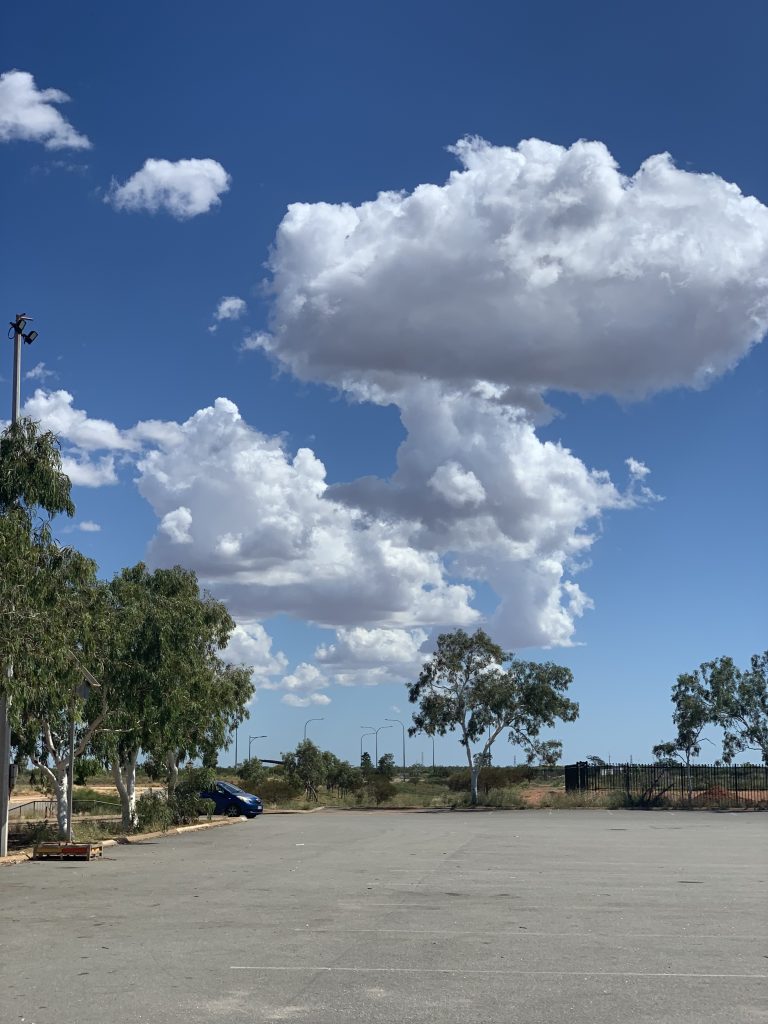
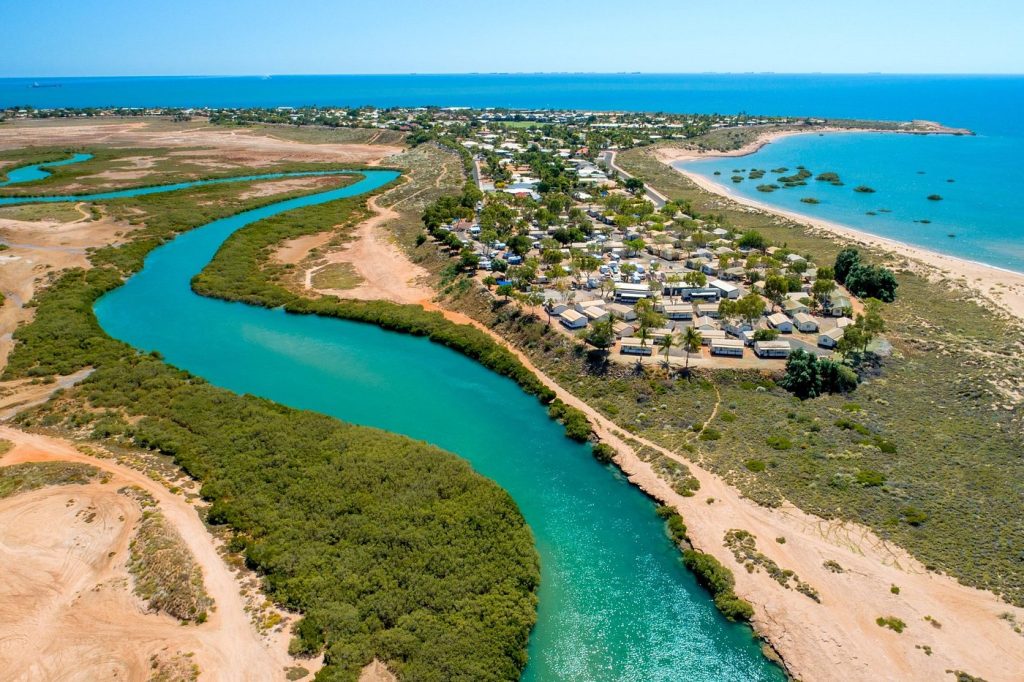
“I instantly fell in love with the Pilbara – the red dirt and blue skies took my breath away every day, especially at sunrise and sunset.”
Stretching across remote northern Western Australia, the Pilbara is larger than many countries and home to some of Australia’s most remote communities and healthcare services. It’s known for its dramatic landscapes, mining communities, and striking red earth landscapes.
“The hospital was compact, compared to the big metro one I am used to, which meant that everyone knew everyone. The ED team was very welcoming. The ED was busy, which I like, but there was always someone there who had your back when things got too hectic.”
This is a pattern that we hear of regularly which can be refreshing after years in larger metropolitan systems – a strong sense of connection between staff, regardless of if you’re on a short term contract.
One small detail in the facility stood out more than she expected.
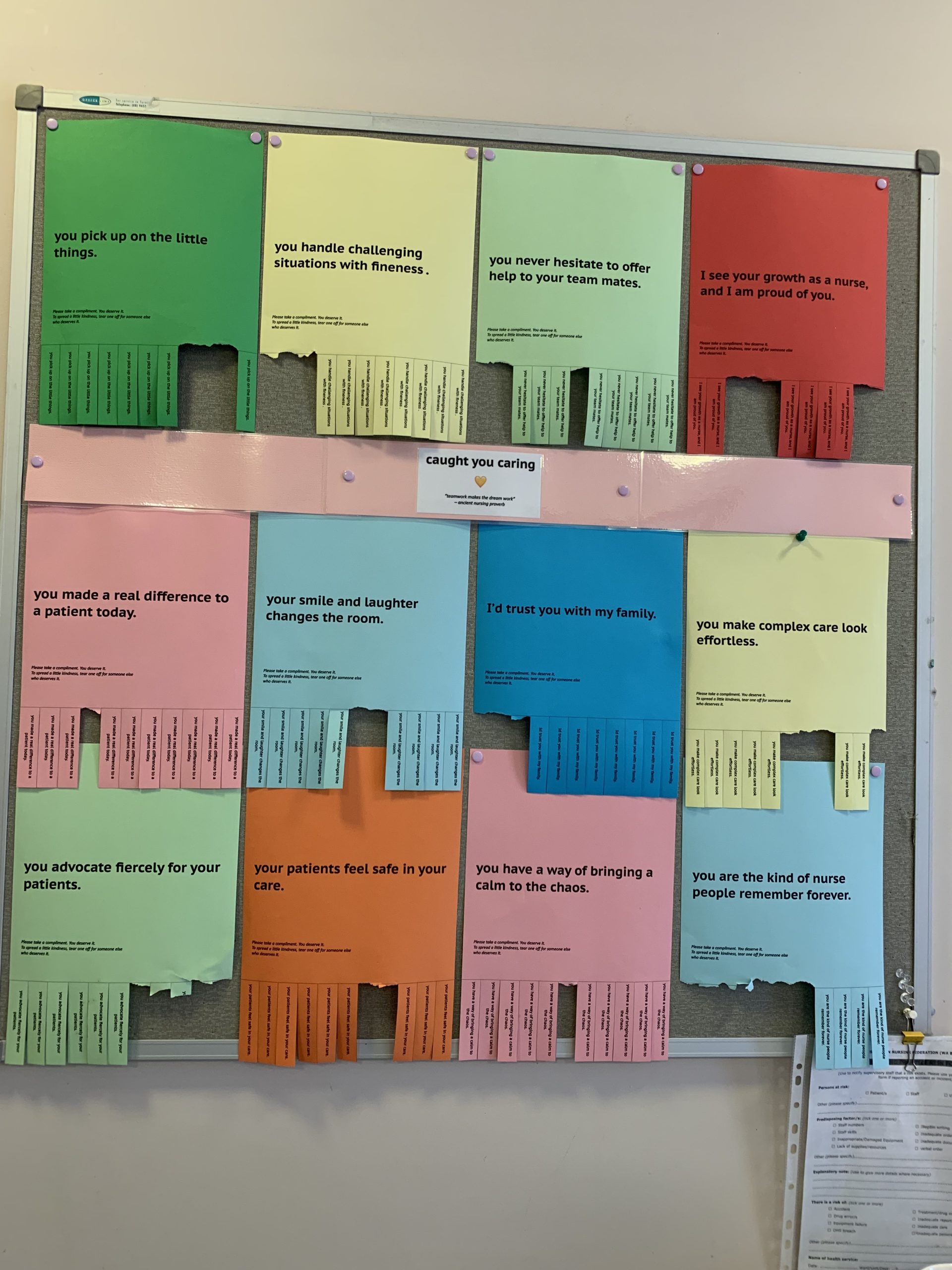
“I felt like I was in the right place when I found the compliment board in the ward tea room – not just a cute idea, but the wording was specific and really nailed what is meaningful in nursing work.”
For many nurses exploring rural and remote contracts across Australia, that sense of community and shared purpose can become one of the most rewarding parts of the experience.
Reflecting on RN Lisa’s First Agency Contract
Despite decades in healthcare, Lisa had never taken on an agency contract before travelling to Port Hedland.
Like many first-time travel nurses, she initially wondered how difficult the transition would be. Instead, she found the adjustment happened faster than expected.
“It was my first ever contract, so I suppose I was surprised at how at home I felt after just 4 weeks.”
For nurses considering travel nursing in Australia, Lisa believes adaptability matters far more than knowing everything on day one. Different facilities, patient demographics, and resource levels all shape the experience of regional and remote healthcare work.
“Be flexible. Don’t go in expecting things to be the way they were at your last work place. You are there to see a different way of working, with a different patient cohort, with a different level of resourcing.”
Regional healthcare can feel unfamiliar initially, but Lisa encourages nurses to approach the experience with openness rather than fear.
“It can be a bit scary, but no-one assumes you know everything. Be open. Ask questions. Bring enthusiasm. Be an asset. Be generous with your time and knowledge. Get out and explore the environment too.”
More Than Just a Nurse. Finding Identity Beyond the Scrubs.
Lisa has always maintained a strong creative side.
“Outside of work, I have been a writer and film maker, writing short stories and making short films. A creative outlet is a great balance for the visceral work of nursing.”
Striking a healthy balance between work, your identity, and personal fulfilment can become increasingly important outside of your career, especially after experiencing burnout firsthand.
For many long-term nurses, maintaining interests and passions such as these outside the hospital environment can play a significant role in protecting wellbeing and long-term career sustainability.
Finding Meaning Again Through Travel Nursing
After 35 years in healthcare, Lisa does not romanticise nursing. She acknowledges the difficult shifts, emotional exhaustion, and systemic pressures many nurses continue to face.
But she also still believes deeply in the value of the profession and the privilege that comes with caring for people during vulnerable moments in their lives.
“I have enjoyed the highs (and the lows) of my nursing career. While it can be a slog at times, it is also a privilege to be allowed into peoples lives at the hardest of times and, hopefully, to make those times a little more bearable for all involved.”
Today, her goals are simple: continue building confidence in remote environments and keep exploring new parts of Australia through nursing.
When asked what professional and personal goals she is working towards in the years ahead, Lisa says, “I want to expand my remote and regional experience and gain more confidence in isolated environments.”
For nurses or midwives feeling burnt out, disconnected from their career, or simply searching for ‘more’, Lisa’s story is likely to resonate. After more than 35 years in nursing, her transition from metropolitan Emergency Departments to remote nursing in the Pilbara highlights the resilience and adaptability that define so many nurses across Australia – and proves that sometimes the most rewarding opportunities can often be found outside the traditional path.
Looking for a refreshing change? Take the next step in your nursing or midwifery career today and join the Affinity Nursing community.
You might also like: